


RBP Tires
The Challenge
In 2023, RBP averaged 28th on Google. More than half the keywords the site turned up for sat past page five, which in practice means they didn’t exist. The brand was posting to Instagram nearly every weekday and averaging 599 views per post.
Long story short, 94% of the search traffic reaching the site came from people typing the brand name. RBP could be found by anyone who already knew it and by almost nobody who didn’t.
None of that matched the size of the opportunity. Truck, SUV and Jeep owners spent more than $2 billion on off-road tires in 2025 alone, and modifications ran past $15 billion, roughly 30% of the entire $52.92 billion specialty-equipment market. RBP had the product line for that buyer, but it had none of the visibility.
The bigger issue was structural. RBP sells through dealers, not direct, so the website has no checkout to optimize and no purchase to attribute. That meant the real measure of success was whether somebody searching "35 inch mud terrain tires for a Tacoma" ever saw the brand.
The Solution
We took control of four channels rather than one, because in a segment this competitive, you need your marketing to feed off each other.
On search, we stopped writing for the brand name and started writing for how people actually shop for tires: by size, by terrain type, and by what they drive. That meant building out size collections, terrain categories, vehicle fitment pages, and technical reference content deep enough to earn rankings on its own.
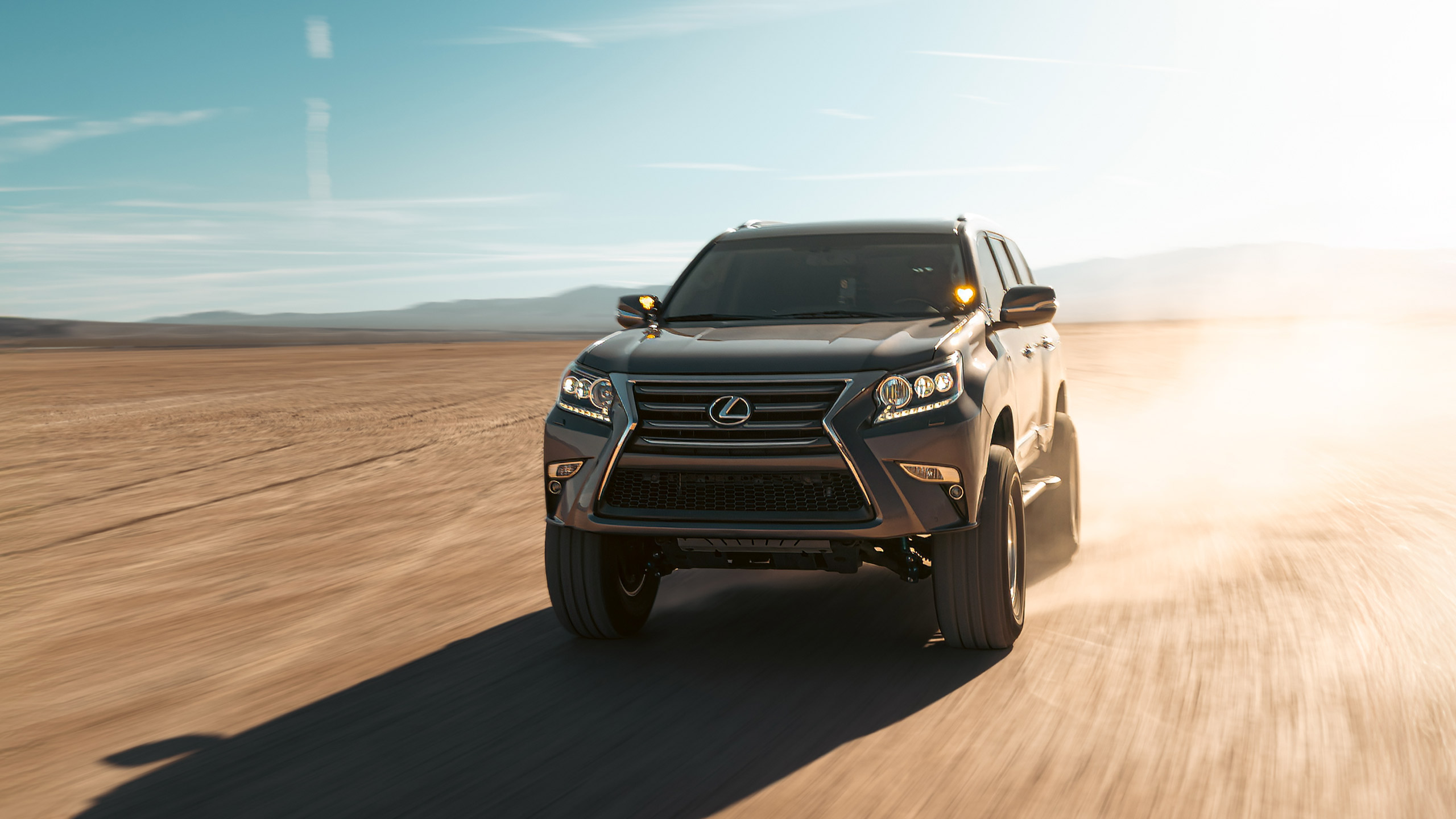
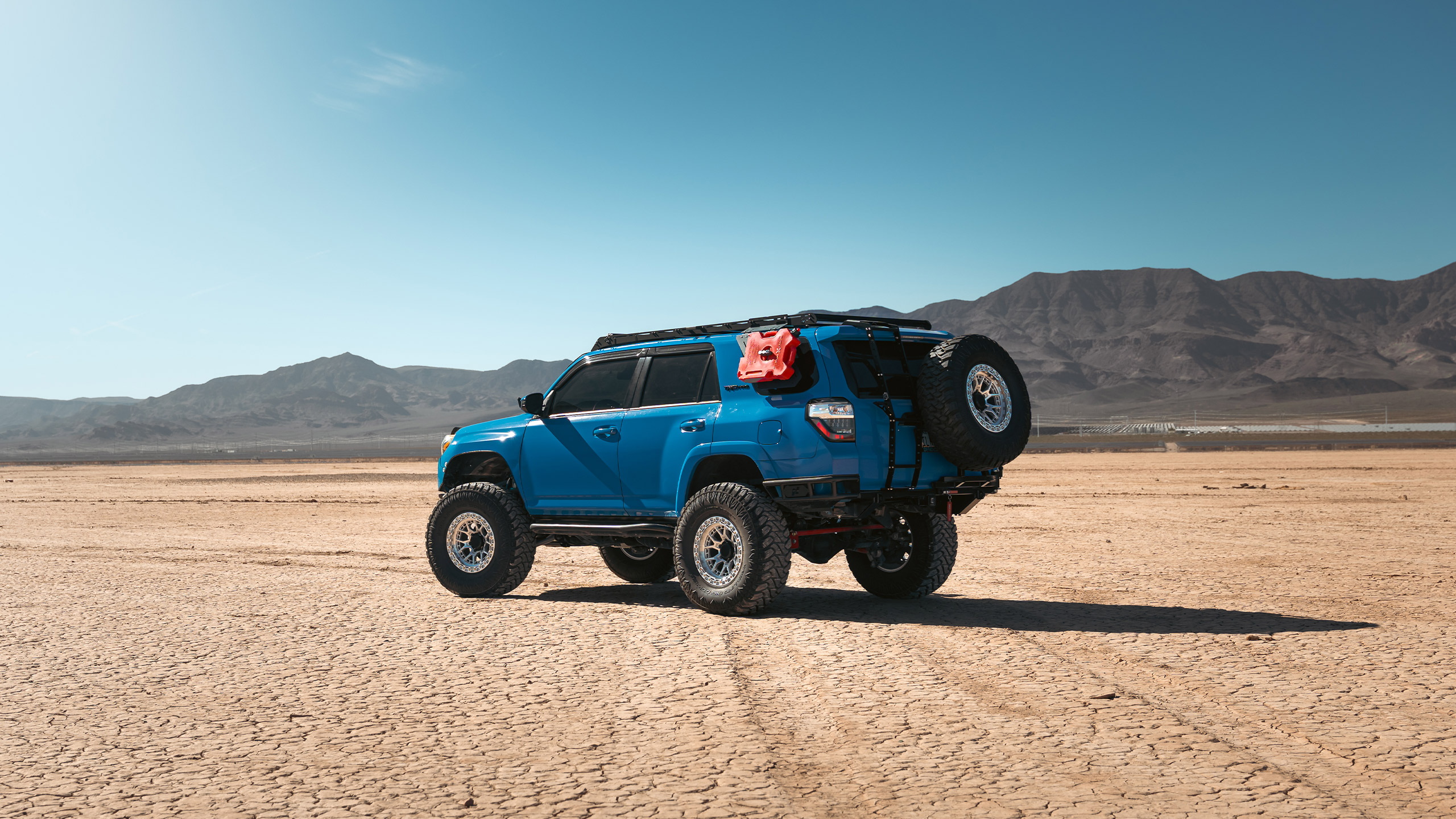
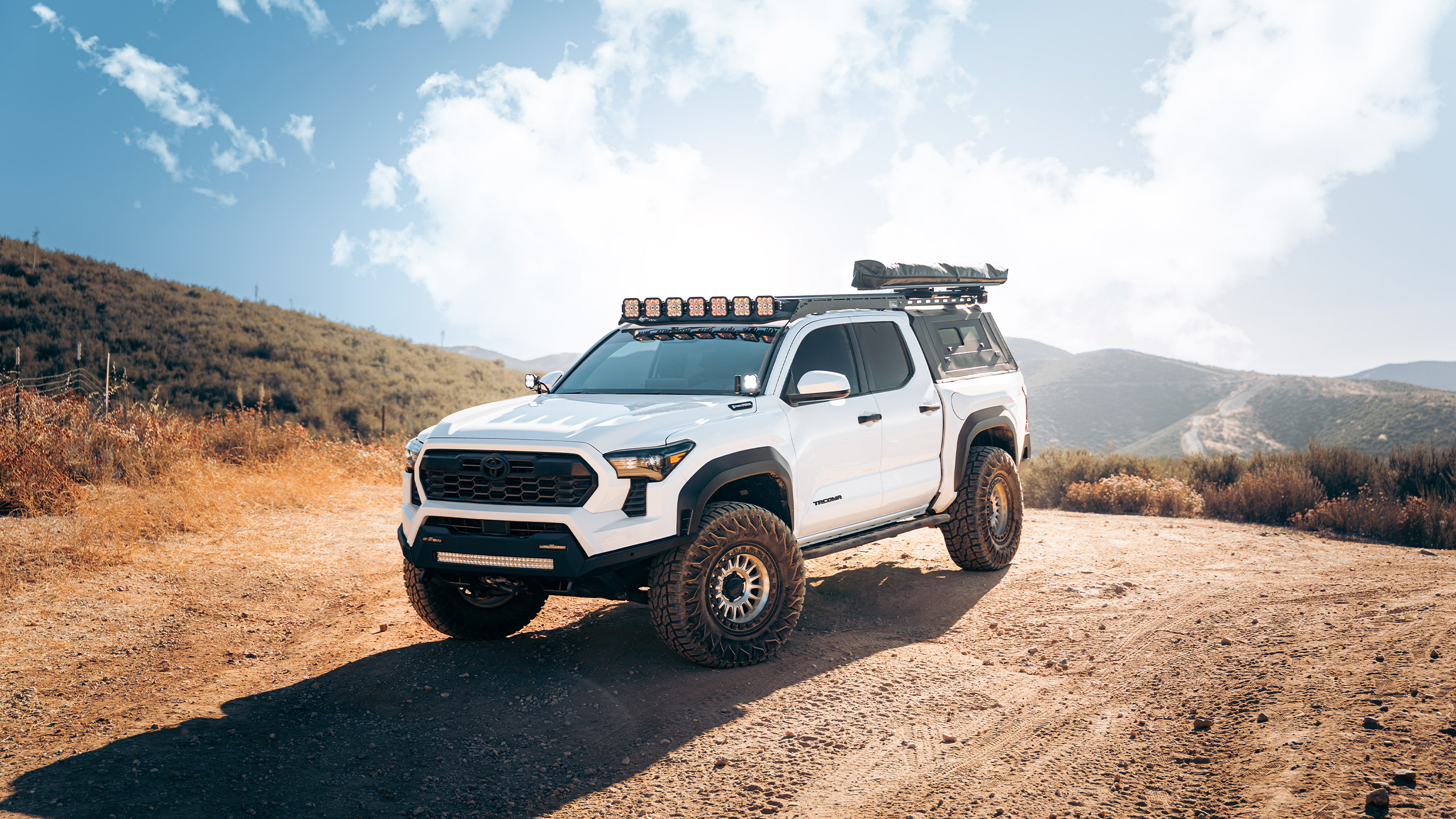
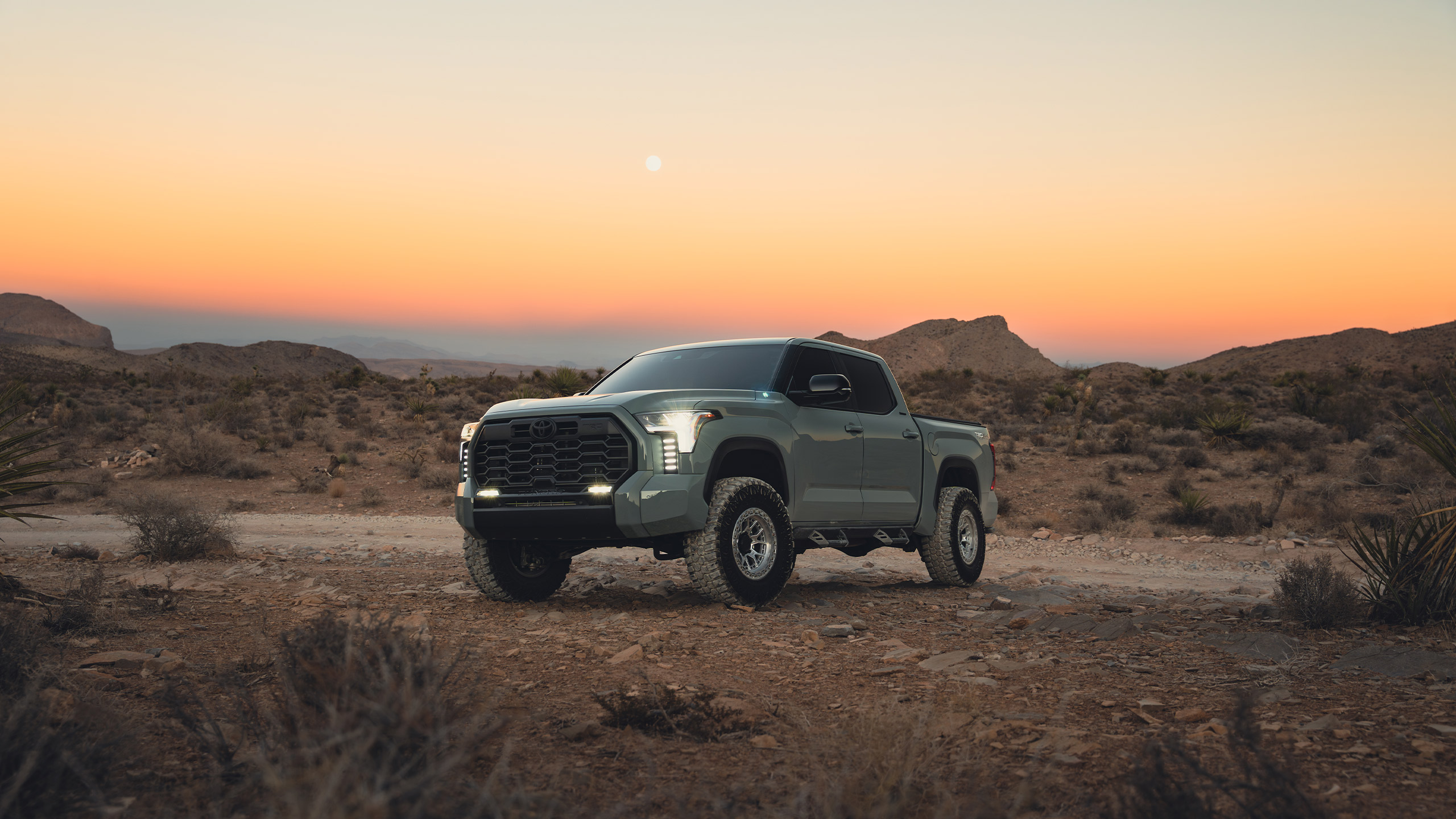
On content, we produced the assets in-house. Cinematic edits, product photography, owner interviews, testimonial video, event coverage. Real trucks and the people who built them, shot on location.
On social, we managed the channels rather than just filling them. The posting order, the cadence, which pieces earned paid support, and which ones got left as organic.
On Meta, we ran dedicated ad creative for each line and put spend behind the organic assets that had already proven themselves. The Reels that performed on their own supplemented that work rather than replacing it. That mix is why cost per click kept falling while click-through kept climbing.
What the Dashboards Don't Show
The website rebuild, the sponsorship and partner outreach, and the community work in the off-road world don't have their own dashboard. They do have a measurable output: how many people search for RBP by name.
Branded searches nearly tripled. Three times as many people now go to Google and type the brand name. Nobody searches a tire brand by name unless they have run into it somewhere first, and there is no paid search running on this account, so that demand came from the content, the events, the partners, and the community work.
Non-branded discovery went from invisible to the majority of the footprint. In the first half of 2023, RBP got 271 clicks from people who didn’t already know the brand. In the same window of 2026 it got 2,410, against 1.53 million impressions.
The site was rebuilt from the structure up in 2023. The current architecture is the reason the rankings exist: size collections from 17 through 40 inch, terrain categories, per-vehicle fitment pages, and individual size pages down to the specific spec. 40,984 keywords rank against 5,092 in 2023. That range of coverage requires the pages to exist in the first place.
Partner and dealer outreach shows up in the link graph. Referring domains went from 33 to 468: national overland and off-road event organizers, enthusiast publications, owner forums, and dealer and retail partners.
The conversation moved with it. RBP now comes up on its own in the places truck owners go for advice, Reddit threads and vehicle-specific forums, and those threads rank for tire searches the brand doesn't own. That's people recommending the product, not placement we bought.
The community building work runs through real owners and real events. The highest-performing content on the account is owner builds from enthusiasts we shot with directly. The event work is on the record too, including a campaign built around one of the biggest desert-racing events in the country that drove 279,222 engagements on $710 of spend.
SEO
72x
Growth in Top-3 Keyword Rankings
27,854
Keywords on Google's First Page
+1,168%
Search Impressions
231,431
Organic Clicks Delivered
Meta Ads
4.31%
Meta Ads Click-Through Rate
$0.10
Meta Ads Cost Per Click
20.3M
Meta Ads Impressions
12M
Accounts Reached
Content Creation
657
Assets Produced
5.4M
Content Views
470
Engagements Per Post
154
Reels Produced
Social Media Management
+15,222
New Net Followers
1.1M
Organic Accounts Reached
308,963
Total Social Engagements
17,223
Content Saves
Impressions climbed while average position improved from 28th to 7th. Click growth ran behind both, since AI Overviews compressed click-through rates across all of Google over the same period.
Four Channels.
One Compounding Strategy.
[04]
SEO
Tire buyers don't search brand names, they search sizes, terrain types, and what they drive. So we rebuilt the site around those three and added the technical reference content the category was missing: load ratings, fitment, size guides. That layer pulls in people who've never heard of RBP and hands them to the product pages.
01
Meta Ads
Most brands in this category try to buy their way out of weak creative. We held budget steady and made creative the variable, running dedicated ads per tire line alongside the Reels that had already earned an audience. Cheaper clicks followed better creative, not bigger bids.
02
Content Creation
Everything is shot in-house, on location, with real trucks and the owners who built them. Over time we went narrower and better: fewer posts, higher production value, more owner-build storytelling. The strongest assets are still working years later, in both search and social.
03
SMM
We treat the feed as a discovery channel, not a broadcast to existing followers. That means posting for reach and saves instead of follower count, and putting paid behind whatever proves itself organically first.
04